


Victory by Covenant Eyes
4.6398.00 Reviews
App Specs
- Version
- 2.4.2
- Updated On
- License
- Free
- Downloads
- 100,000+
- Developer
- Covenant Eyes
- Categories
- Lifestyle
- Platform
- Android
Screenshots


 Analysis by AppCompare
When a habit feels private and difficult to change, a person’s own good intentions can be hard to sustain. What makes Victory by Covenant Eyes distinct is its focus on accountability: it is designed to help someone work toward leaving pornography behind, either for themselves or while supporting a friend. I see that as a more specific purpose than general screen-time management, and it changes what a useful “check-in” looks like. The app is free to install, although in-app purchases range from around $19 to $900 per item, so I would look carefully at the available options before treating the full experience as cost-free.
Accountability works best when it is chosen thoughtfully
The central idea is not simply to notice what happens on a device; it is to make progress easier to discuss with someone trusted. That can be valuable when a person has already decided they want help and finds that private promises are not enough. It can also feel uncomfortable if the relationship is not safe, respectful, or clearly agreed upon. I would choose an accountability partner because I trust their judgment and can speak honestly with them, not because I feel pressured to hand over control.
That distinction matters. Accountability should create a route to support, not shame. Before inviting someone into the process, I would talk through what kind of check-ins feel useful, what should remain private, and how either person can raise concerns. A friend who listens without turning every setback into a lecture is likely to be more helpful than someone who treats the arrangement as surveillance. The app’s purpose is most meaningful when both people understand that encouragement and honesty matter more than punishment.
What a realistic routine can look like
Picture someone who has decided to stop watching pornography but tends to reconsider that goal late at night, when they are tired and alone. A practical routine could be to make the commitment during a calm part of the day, identify a trusted person to check in with, and use the app as one part of a broader plan. If a difficult moment comes up, the person can reach out to that ally rather than relying only on willpower. The useful shift is from keeping the struggle entirely internal to having a prepared, human point of contact.
I would not treat an app as a substitute for a conversation, counseling, or other help someone may need. It can support a goal, but it cannot decide what is driving the behavior or resolve every underlying problem. If the issue is affecting a person’s relationships, work, or wellbeing in a serious way, an app-based routine may be only one small piece of a better support plan. That is not a failure of the app; it is a sensible limit on what any phone tool can do.
For a friend offering support, the most useful approach is to agree on a simple, sustainable rhythm rather than demanding constant updates. A check-in should make it easier to say, “I’m having a hard day,” not make someone fear being judged for telling the truth. I would also avoid turning the arrangement into a test of loyalty. The person working on the habit should retain ownership of the goal, while the friend offers consistency and care.
Getting Started with Victory
Jumping into Victory by Covenant Eyes is pretty straightforward. Once you download it, the setup process is like a walk in the park. The app is designed to be intuitive, so even if you’re not super tech-savvy, you’ll be navigating it like a pro in no time.
Worth Reading Before You Choose

Flipboard Shows What News Apps Must Do Beyond the Feed

Switching to Android Auto Means Rethinking Your Driving Routine

Google Calendar Makes a Crowded Week Easier to Manage

Ludo King Makes the Most of the Minutes Between Plans

Baby Panda World Brings Quick Play to Modern Phones, but Its Game Library Feels Busy

ESPN’s Live Game View Makes Following Close Games Easier
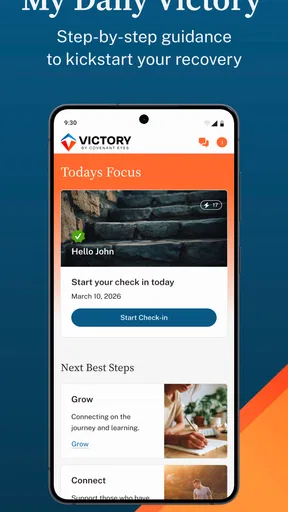
After creating an account, the app guides you through setting up your personal goals. This is where it gets interesting. You can tailor your experience by defining what you want to achieve, whether it’s breaking free from digital distractions or fostering healthier screen habits.
The Accountability Factor
Accountability is the name of the game here. The app pairs you with a partner or an ally—someone you trust who can help keep you on track. This feature is like having a buddy system, providing that extra nudge we all sometimes need. Let’s face it, staying disciplined can be tough, and having someone to check in with makes a world of difference.
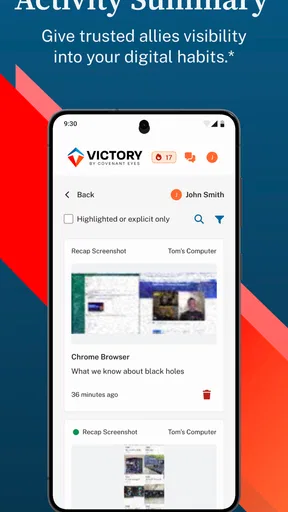
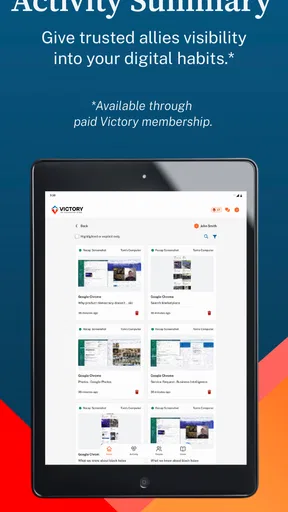
The app sends periodic reports to your partner, creating a transparent and supportive environment. It’s a cool feature because it doesn’t feel invasive; instead, it’s more like a gentle reminder that you’re not alone in this.
One trade-off is that this setup asks more of you than downloading a blocker and leaving it to run. A blocker’s main appeal is friction: it can make access to unwanted material harder without requiring a conversation every time. Victory’s accountability approach instead puts a trusted relationship near the center of the effort. If you want a private, automated tool with no partner involved, that difference may make another kind of app a better fit. If isolation is part of what makes the habit difficult, the human element may be precisely the point.
I would also be deliberate about what “periodic” communication means for the people involved. Partners may have different expectations about how often they will talk, and mismatched expectations can create needless tension. Agreeing on a manageable check-in schedule before starting can keep the arrangement supportive. It gives the person working toward change room to be honest while preventing the friend from feeling responsible for monitoring every moment.
Features that Stand Out
One of my favorite things about Victory is how it integrates motivational content. You get access to a library of resources that’s packed with articles, videos, and podcasts. They’re all geared toward helping you stay motivated and informed. I found this really helpful on days when I needed a little boost.
Another neat feature is the screen accountability. This one’s a game-changer because it monitors your device usage and highlights areas where you might be spending too much time. It’s like having a personal coach who gently points out where improvements can be made.
The practical value of those elements depends on how you use them. I would treat the resources as something to turn to when I need perspective or encouragement, not as a daily assignment that has to be completed to prove commitment. A small, repeatable routine is easier to keep than an ambitious plan that becomes another source of guilt. For example, someone could choose one resource to discuss with their ally during a check-in, then decide together whether it was useful. That turns content into a conversation rather than background material to scroll past.
Screen accountability also needs a clear purpose. If the goal is specifically to change a pornography habit, broad device-use observations are most useful when they help the person recognize a pattern connected to that goal. They are less useful if someone starts treating every minute on a phone as a problem. I would focus on the behavior the person actually wants to change, rather than trying to optimize all screen time at once. That narrower target makes it easier to tell whether the app is helping.
For someone asking whether this is a tool for general productivity, I would say its strongest fit is more focused than that. A person who mainly wants app timers, study schedules, or a way to reduce casual scrolling may be better served by a general digital-wellbeing tool. Victory’s distinctive value is the connection between a personal goal, screen accountability, and support from another person. Choosing it for an unrelated time-management problem could leave its main approach underused.
The User Experience
The app’s design is sleek and user-friendly. Navigation is a breeze, and everything is laid out in a way that makes sense. I didn’t experience any lag or crashes, which is a huge plus. It’s clear that a lot of thought went into making sure the user experience is seamless.
Plus, the app’s notifications are timely and helpful without being overbearing. You know how some apps just love to ping you every five minutes? Not Victory. It respects your space while still keeping you informed.
Even with a simple interface, the emotional side of setup deserves more thought than the technical side. I would not invite an accountability partner in the middle of an argument or during a moment of panic. It is better to set things up when the goal feels considered, then explain what kind of support would actually help. A friend can be encouraging without becoming a counselor, and the person using the app can ask for a pause or a different approach if the arrangement begins to feel counterproductive.
Privacy and trust are especially important in this kind of app because the subject can be sensitive. I would make sure I understand what I am choosing to share and with whom before relying on any reporting relationship. The app’s accountability model is not a reason to skip that conversation; it makes the conversation more important. If a person cannot identify someone they trust to handle the topic respectfully, it may be better to seek another form of support rather than appointing an unsuitable partner just to complete setup.
Who Can Benefit?
Honestly, Victory is perfect for anyone looking to improve their digital habits. Whether you’re a student trying to focus more on studies, a professional seeking better work-life balance, or just someone who feels a bit overwhelmed by screen time, this app could be your new best friend.
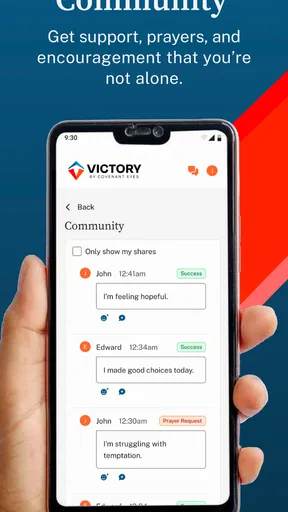
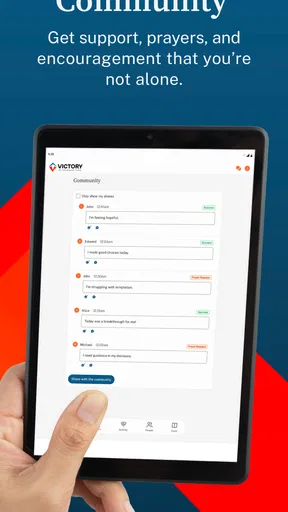
It’s versatile enough to cater to different needs, which makes it stand out in the crowded app market. Plus, the community aspect adds a layer of support that’s often missing in similar apps.
I would narrow that recommendation to people who want help with the app’s particular accountability-centered goal, rather than anyone who simply wants to use a phone less. The store presents it as a lifestyle app, and Covenant Eyes has built the experience around support for leaving pornography behind or helping someone else do so. That focus can feel reassuring if it matches what you are looking for; it may feel too specific if your concern is ordinary distraction, late-night scrolling, or setting limits on entertainment apps.
The friend who wants to help someone else can also find a role here, but support should be invited rather than imposed. If a loved one is not ready to work on the issue, installing an app or insisting on reports is unlikely to create genuine motivation. A better first step may be listening and asking what kind of support they want. Victory is more promising when the person whose habits are involved has chosen the goal themselves.
As a point of comparison, common alternatives tend to emphasize either blocking access or measuring general phone use. Blocking can be a straightforward choice for someone who wants a technical barrier; screen-time tools can suit someone who needs broad limits for work, sleep, or study. Victory is a different choice when the missing piece is a trusted person who can help sustain a specific commitment. None of these approaches is automatically superior. The right one depends on whether the person needs a barrier, a usage boundary, or ongoing encouragement—and some people may prefer a combination of approaches.
Its audience is also shaped by the cost beyond the initial download. Victory is free to install, has an Everyone content rating, and shows a 4.6 average from around 1,800 ratings, with more than 100,000 installs. Optional purchases range from around $19 to $900 per item, a wide span that makes it especially important to check the terms and options presented before committing to a purchase. I would not assume that every useful part of the experience is included at no cost simply because the app itself is free.
On compatibility, the current release is version 2.3.3 and requires iOS 11 or later. That is worth checking before making the app part of a plan, particularly if you are setting it up together with a friend whose device may be older. The app was released on March 1, 2022, and its content rating is Everyone. Those details make the practical decision easier: confirm that the device can run it, then focus on whether its accountability approach suits the person using it.
Final Thoughts
All in all, Victory by Covenant Eyes is a solid app that delivers on its promises. It’s packed with features that not only help you achieve your goals but also make the journey enjoyable. The accountability aspect is a real highlight, and the resources provided are genuinely useful.
If you’re on the hunt for an app that can help you take control of your digital life, give Victory a try. It’s like having a coach, a library, and a community all in one app. So, ready to claim your victory?
My more measured recommendation is to try it when you already know what change you want to make and can name a person who will support you with kindness and discretion. Before you begin, agree on the goal and the kind of check-ins that feel sustainable, and review any purchase choices rather than rushing through them. If you mainly want an automatic blocker or a broad screen-time dashboard, another tool may be simpler. But when a personal commitment is hard to keep alone, Victory’s combination of resources and human accountability gives it a clear, worthwhile reason to be on your phone.
Pros
- Easy-to-use interface for quick navigation.
- Comprehensive tracking of online activities.
- Customizable accountability reports.
- Strong focus on user privacy protection.
- Reliable notifications for real-time alerts.
Cons
- Requires constant internet connection.
- Limited features in free version.
- Occasional lag on older devices.
- Complex setup for non-tech users.
- Subscription can be costly for some.
FAQs for Victory by Covenant Eyes
What is Victory by Covenant Eyes used for?
Victory by Covenant Eyes is designed to help individuals overcome and manage online temptations by providing accountability and filtering tools. It monitors internet activity and sends reports to a chosen ally, helping users maintain integrity and stay focused on their goals.
How does the app ensure user privacy?
Victory by Covenant Eyes prioritizes user privacy by encrypting all data and ensuring that only minimal necessary information is shared with accountability partners. The app doesn't record passwords or sensitive personal information, focusing solely on internet activity pertinent to accountability.
Is Victory by Covenant Eyes compatible with all devices?
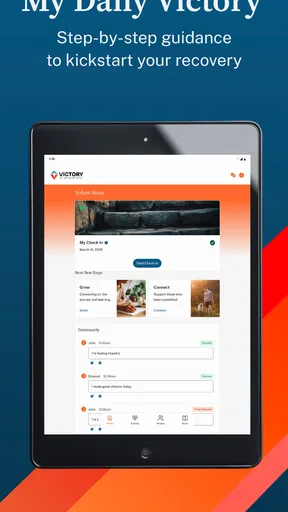
Yes, Victory by Covenant Eyes is available on both Android and iOS platforms. It is designed to work seamlessly across smartphones and tablets, ensuring users can maintain accountability and filtering regardless of their device preference.
Does the app affect browsing speed or performance?
While Victory by Covenant Eyes runs in the background to monitor activity, it is optimized to minimize any impact on browsing speed or device performance. It operates efficiently to ensure a smooth user experience without significant slowdowns.
What support is available for users encountering issues?
Victory by Covenant Eyes offers robust customer support, including a comprehensive help center with FAQs, troubleshooting guides, and direct support options. Users can contact support via email or phone for personalized assistance with any technical issues.


